

Raw Food, Ready-to-Eat, and the Hidden Contamination Risk No One’s Talking About
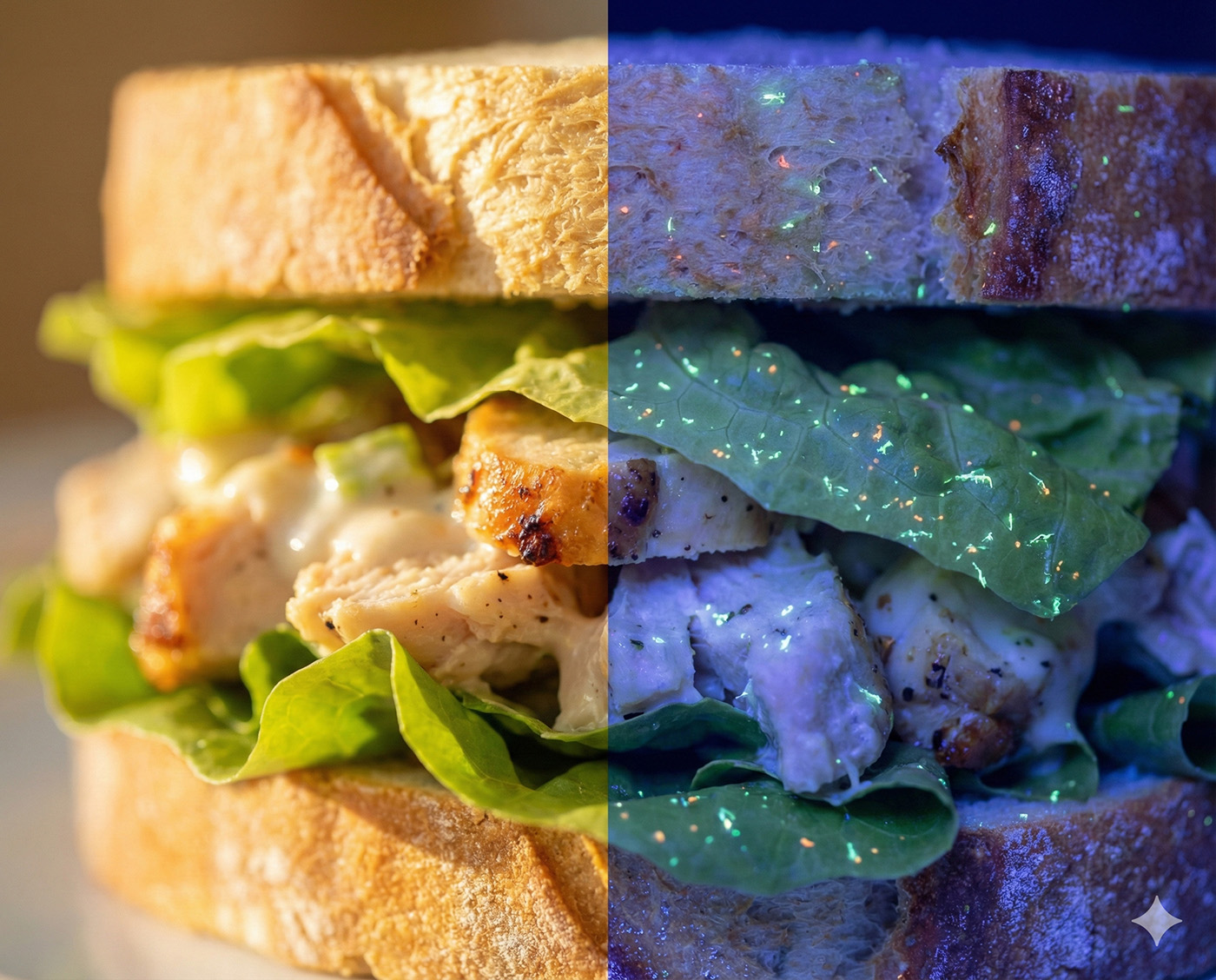
Walk into any hypermarket today, and you’ll see a common trend—fresh meat and cheese counters sitting side by side, often in close proximity to ready-to-eat foods. Customers love the convenience. Retailers love the foot traffic. But behind the scenes, there’s a silent challenge that many stores haven’t fully addressed: Listeria monocytogenes contamination. In October 2024 itself, retail stores abroad have been forced to recall over 5400 Tons of meat and poultry products for major U.S. retailers (Costco, Walmart, Kroger, etc.) due to potential Listeria contamination.
As someone who has worked closely with facility management and sanitation teams, I’ve seen firsthand how overlooked this issue is. Retailers focus on presentation, pricing, and customer experience—but food safety is what truly protects your brand and bottom line.
The Listeria Problem: A Retail Time Bomb
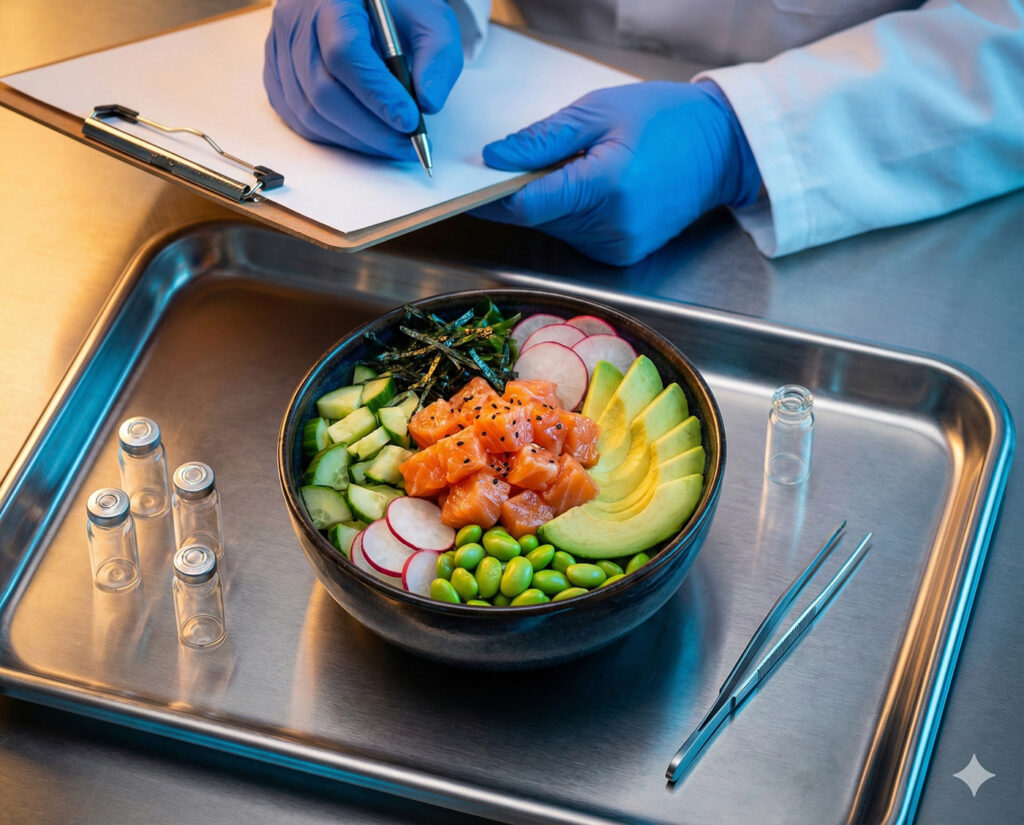
Listeria monocytogenes is a highly resilient bacterium. It can grow at temperatures as low as -1°C, survive in refrigeration, and spread through water, air, and contact surfaces. Unlike other foodborne pathogens, Listeria doesn’t just thrive in raw meat and seafood—it contaminates ready-to-eat foods like deli meats, cheeses, and pre-cut fruits.
For retailers, the question isn’t whether Listeria can exist in their stores—it’s whether they are actively preventing it.
Practices to avoid:
Despite food safety regulations, many retail chains still follow outdated sanitation practices. Here’s where things break down:
- Cross-Contamination Between Raw & Ready-to-Eat Foods
- Placing raw meat and seafood counters near deli counters without strict contamination controls.
- Employees using the same gloves or tools for different food types.
- Overlapping cleaning tools like mops and buckets spread bacteria instead of eliminating it.
- Poor Cleaning & Sanitization Practices
- Many food contact surfaces—slicers, cutting boards, trays, display case interiors—aren’t sanitized frequently enough.
- Cleaning teams often lack proper training on which disinfectants to use and at what concentrations.
- Water pooling on floors and surfaces becomes a breeding ground for bacteria.
- Inadequate Temperature Control
- Refrigerated foods must be kept at 5°C or below, but temperature monitoring is often inconsistent.
- FIFO (First In, First Out) rotation policies aren’t strictly enforced, leading to expired or compromised stock remaining on shelves.
- Many retailers still don’t have automated temperature alarms, relying instead on manual checks that are prone to error.
- Lack of Employee Training & Compliance Monitoring
- Hand hygiene and glove changes aren’t enforced as strictly as they should be.
- Employees aren’t trained to recognize high-risk contamination zones.
- Foot traffic from vendors, delivery personnel, and maintenance staff creates additional contamination risks.
The Solution: Retailers Must Rethink Sanitation from the Ground Up
The good news? The solutions are straightforward, measurable, and highly effective. Here’s where retail leaders should start:
1. Implement Targeted Cleaning & Sanitation Procedures
- Identify and sanitize high-risk food contact surfaces—slicers, knives, cutting boards, trays, and display cases.
- Use enzymatic cleaners and bactericidal drain rings to target hidden contamination zones.
- Avoid only high-pressure water sprays, which spread Listeria through airborne droplets.
2. Strengthen Temperature Control
- Install digital monitoring systems for refrigerated display units.
- Implement strict product rotation policies (FIFO) and ensure employees follow given shelf life limits for high-risk foods.
- Regularly inspect cold storage units to ensure temperatures remain at 5°C or below.
3. Eliminate Cross-Contamination Risks
- Physically separate raw meat/seafood counters from ready-to-eat food areas.
- Enforce strict glove and utensil separation policies (e.g., color-coded cutting boards and knives).
- Prevent water pooling in food prep areas, as it becomes a transport medium for bacteria.
4. Invest in Employee Training & Accountability
- Train staff on proper sanitation, contamination risks, and hygiene best practices.
- Implement checklists and real-time monitoring to ensure cleaning protocols are followed daily.
- Limit non-essential foot traffic in high-risk areas to prevent outside contamination.
5. Verify & Monitor Sanitation Effectiveness
- Conduct regular audits and third-party inspections to maintain compliance.
- Use ATP bioluminescence and microbiological testing to verify cleanliness.
- Adopt HACCP-based monitoring systems to track and improve sanitation over time.
For retailers, investing in best-in-class sanitation isn’t just about following regulations—it’s about brand protection, customer trust, and long-term profitability. A single foodborne illness outbreak can erode consumer confidence, lead to expensive recalls, and damage your reputation for years.
Hypermarkets and grocery stores that implement robust, proactive sanitation practices will gain a competitive edge in an increasingly safety-conscious market.