

Why Airport Cleanliness Matters More Than You Think (And How We Can Fix It)
If you’ve ever walked into an airport restroom and immediately turned around, you know what I’m talking about.
Airports are a hub of movement—millions of passengers, long-haul layovers, rushed departures, and food courts packed with travelers grabbing a bite before their flights. But despite all the innovation in aviation, one thing remains a frequent complaint—cleanliness.
Clean spaces aren’t just about aesthetics—they directly impact passenger experience, operational efficiency, and even revenue. Hygiene plays a key role in how travelers perceive an airport and whether they choose to fly through it again.
Here’s where airports are struggling and what needs to change.
The Passenger Hygiene Backslide Post-COVID
COVID-19 forced the aviation industry to rethink cleaning protocols but post-pandemic, many airports have quietly scaled back these efforts in a bid to cut costs. Poor sanitation directly impacts passenger satisfaction, and some areas of the airport are particularly problematic. The worst culprits?
- Security screening bins (one of the dirtiest surfaces in the airport—used by thousands daily).
- Check-in kiosks & baggage claim belts (constantly touched, rarely cleaned).
- Escalator handrails, elevator buttons, and armrests in waiting areas.
- Restroom stall latches and door handles (high-contact, often neglected).
- Public seating and electronics charging stations (germ hotspots, especially in lounges).
Ignoring these areas means higher risks of viral and bacterial transmission—leading to customer complaints, reputational damage, and even health concerns.
Airport Restrooms: The Biggest Hygiene Pain Point
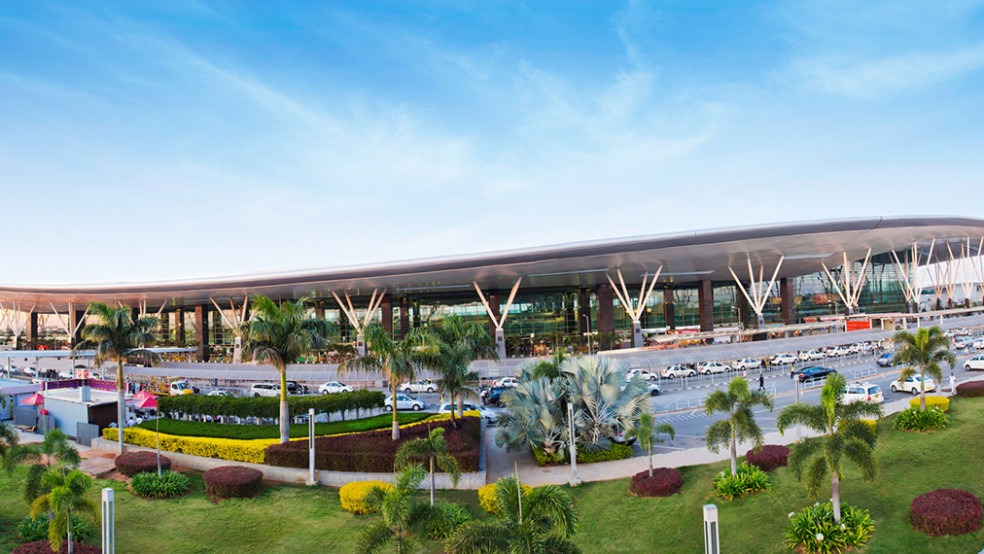
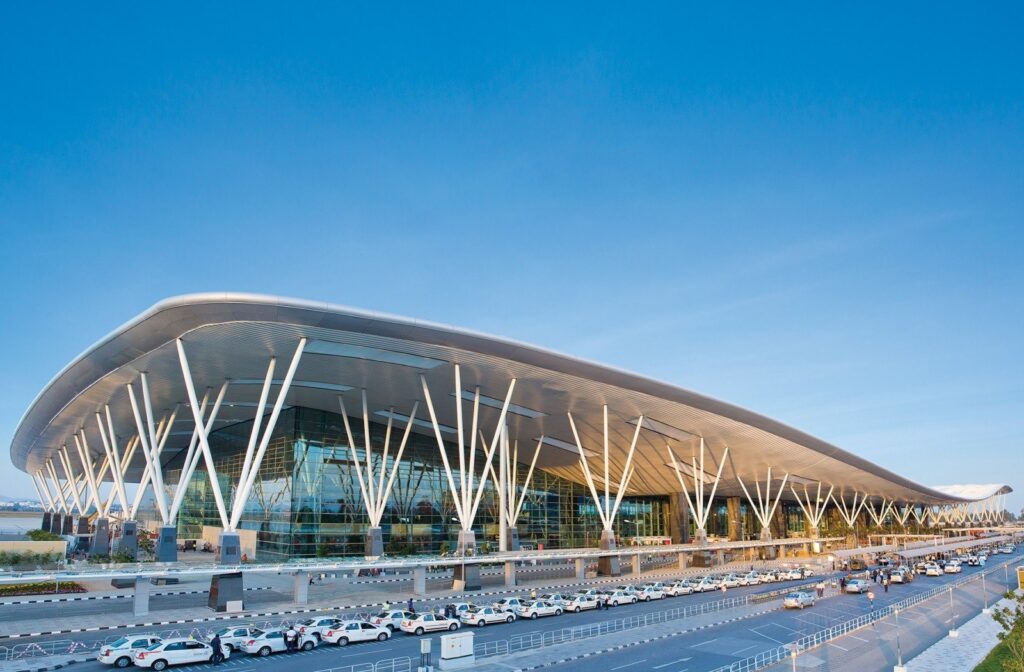
At Bengaluru International Airport (BIAL), footfalls exceed 1.2 lakh per day—meaning restrooms require 24/7 cleaning schedules. And yet, across airports globally, restroom hygiene remains a top complaint.
Maintaining high sanitation standards in such high-traffic areas requires careful coordination between facility managers, cleaning teams, and real-time monitoring. Small inefficiencies—like overlapping break schedules or delayed response times—can quickly lead to cleanliness issues that impact passenger experience.
At Caere, we work closely with BIAL’s facility management teams to ensure round-the-clock restroom upkeep, traffic management, VIP assistance, baggage handling services and much more. BIAL’s efforts were recognized when it was awarded Best Regional Airport in 2024 by Skytrax (India and South Asia)—a testament to the impact of their structured and well-managed operations.
However many airports still struggle to maintain the same high standard. For example, at peak travel times, cleanliness dips—because airport cleaning isn’t aligned with real passenger flow data. Here’s what studies found:
Peak travel hours expose major restroom hygiene gaps. By 5 AM, restrooms are already seeing heavy use, but cleaning shifts don’t begin until 6 AM, leading to early complaints. Lunchtime breaks for cleaning staff all happen simultaneously, leaving restrooms unattended at a critical hour. Restrooms near food courts and boarding gates consistently receive the most complaints, and large international arrivals cause restroom surges, overwhelming fixed cleaning schedules.
The solution lies in staggering shifts to cover peak morning traffic and rotating lunch breaks to ensure continuous upkeep. Increasing cleaning frequency in high-traffic zones prevents hygiene dips during rush hours. Implementing smart sensors to track real-time restroom occupancy allows cleaning teams to respond dynamically instead of relying on rigid schedules.
What Can Retailers & Airport Facility Managers Learn from This?
Cleanliness isn’t just an operational checklist—it’s a business advantage. Whether it’s an airport, a shopping mall, or a hypermarket, people notice when hygiene slips.
Clean spaces = higher trust, repeat visits, and better customer experience.
The reality is simple: passengers remember dirty airports. They also remember clean ones.